Short Article Author-Drew Erlandsen
Regarding vision correction, numerous individuals are aware of LASIK, but there's an alternative treatment gaining popularity: the EVO ICL. This advanced treatment, which stands for Implantable Collamer Lens, offers a unique approach to correcting vision, particularly for those with severe cases of myopia or astigmatism. With advancements in technology, EVO ICL is becoming a compelling option for individuals seeking a long-term fix without the issues that can arise with corneal procedures.
Selecting between EVO ICL and LASIK can be a crucial decision, as both procedures have their own specific benefits and considerations. Understanding these variances is vital for making an educated decision that aligns with your vision needs and lifestyle. In this guide, we’ll explore the specifics of EVO ICL, including its method, recovery period, financial aspects, and how it matches up with the famous LASIK treatment. Whether you’re starting to consider your choices or are on the verge of making a decision, we aim to provide the guidance you need for a clear path ahead.
Grasping EVO Implantable Collamer Lens
EVO Implantable Collamer Lens, or ICL, represents a innovative option for people seeking optical correction. This procedure involves placing a lens behind the iris and in front of the natural lens of the eye. EVO ICL is designed to provide sharp and permanent vision correction for those with myopia, irregular vision, and other refractive errors. Unlike LASIK, which modifies the cornea, this procedure works by adding a lens that improves vision without modifying the eye's structure.
A significant benefit of this lens is its suitability for patients with slender corneas or dry eyes, situations that can hinder traditional laser vision correction methods. The body-friendly Collamer material used for the lens adds an additional layer of ease and minimizes the risk of complications. Furthermore, the procedure is reversible, which offers confidence for those who may be reluctant about permanent changes to their vision.
This procedure has gained recognition due to its quick recovery time and impressive results. Many patients experience enhanced vision almost instantly after the procedure, and the overall contentment rates tend to be high. With progress in technology and techniques, EVO ICL has become a viable option for many seeking an successful solution to their vision issues, making it essential to consider when weighing options like LASIK.
Comparison with LASIK
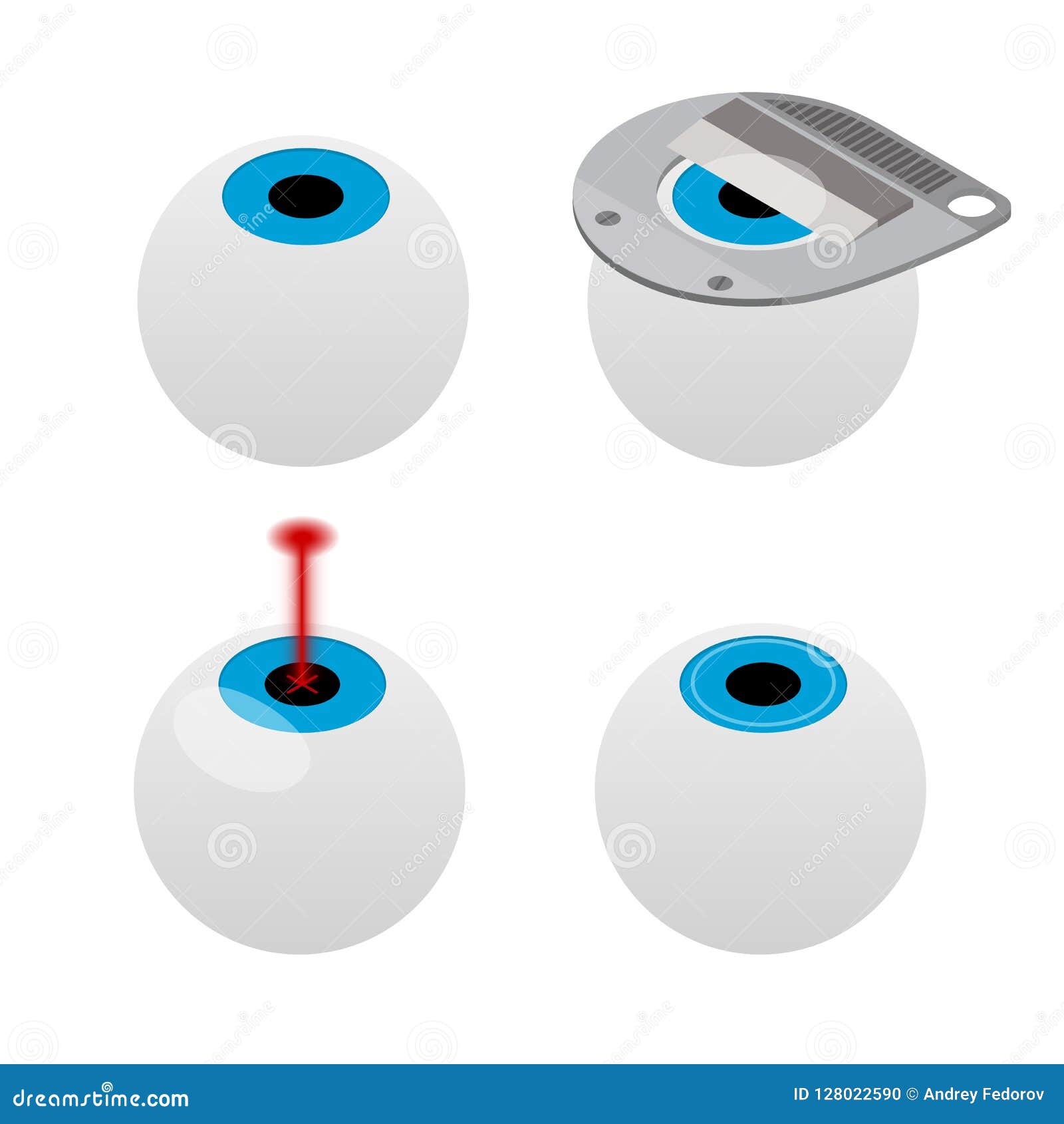
When considering options for vision correction, EVO ICL and LASIK are two main techniques that many patients evaluate. Laser-Assisted In Situ Keratomileusis (LASIK), i.e. Click In this article , alters the corneal structure via laser treatment to improve vision, whereas EVO ICL is about lens implantation in the eye, providing a different approach to addressing refractive errors. A key difference lies in the nature of the procedure; LASIK modifies the cornea permanently, while EVO ICL can be reversed which maintains the cornea's original structure, making it ideal for patients with specific eye characteristics, such as thin corneas and significant myopia.
Another important aspect is how suitable candidates are for each treatment. LASIK typically requires a stable prescription and enough corneal density, which could rule out certain individuals for the operation. In contrast, EVO ICL in comparison, is designed to accommodate a wider variety of visual issues, covering high degrees of myopia as well as astigmatism, and is especially advantageous for patients who are not ideal candidates for LASIK owing to corneal issues. Such versatility permits EVO ICL to cater to those looking for alternatives to the standard LASIK method.
Recovery experiences also differ for each of the two treatments. Patients undergoing LASIK tend to experience quick recovery and often notice vision improvement within hours; but, they may face complications such as dry eye symptoms. On the other hand, the EVO ICL procedure generally allows for a smoother recovery and has a lower chance of causing dry eyes, rendering it a preferred choice for individuals suffering from dryness or discomfort after other correction methods. Understanding these differences can help patients make a more informed decision based on their unique circumstances and expected outcomes.
Implantable Collamer Lens Process and Post-Op Care
The Implantable Collamer Lens procedure begins with a thorough eye examination to determine if a patient is a good fit. During this initial meeting, the surgeon will evaluate the patient's vision, overall eye condition, and talk about potential outcomes and expectations. If approved for the surgery, the patient will be given guidelines on what to do before the operation, such as not taking certain drugs or contact lenses.
On the day of the surgery, the patient comes in and is usually given a light sedative to aid relaxation. The procedure occurs in an ambulatory environment and typically takes about thirty to fifteen minutes per eye. The doctor creates a small incision in the cornea to place the lens, which is placed behind the iris and in front of the lens of the eye. Patients may experience some slight discomfort during the surgery, but most say that it is tolerable.
Post-op recovery from EVO ICL surgery generally involves minimal downtime. Many patients observe improved vision right away after the surgery, while some may require a few days to completely adjust. It's common to experience slight side effects such as pinkness or light sensitivity, which should go away within a short while. Patients will have follow-up appointments to check healing and ensure the lens is positioned correctly, helping to track recovery and address any issues.
Cost and Extended Results
The expense of EVO ICL can differ based on several factors, including the particular clinic and locational area. Generally, the expense ranges from three thousand to five thousand dollars per eye. relevant web site includes the procedure per se, pre-operative consultations, and post-operative follow-ups. While this upfront cost may seem considerable, many patients believe worth in the sustained benefits and diminished need for corrective eyewear after the procedure. It’s crucial to inquire about financing options that clinics may offer to help reduce these expenses successfully.
Long-term outcomes for EVO ICL have been encouraging, with many patients reporting excellent visual acuity and satisfaction. Studies indicate that a substantial percentage of individuals achieve 20/25 vision or superior, making it a practical option for those seeking lasting vision correction. Additionally, the Implantable Collamer Lens is designed to remain in the eye without degradation over time, providing lasting results without the dangers associated with some alternative procedures.
When assessing the extended benefits versus costs, it’s also crucial to assess the potential need for adjustments in the long run. Unlike LASIK, which may require re-correction for some individuals as their vision shifts over time, EVO ICL can be altered or changed if necessary. This flexibility adds to the overall appeal of the procedure, making it an appealing option for individuals with high myopia, astigmatism, or those not optimal candidates for LASIK. Overall, EVO ICL can provide a cost-effective, long-term solution for vision correction.